Commercial Waste in Reading
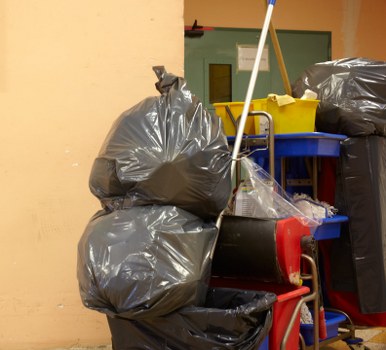
Commercial Waste Reading provides a practical waste removal service for businesses that need waste collected, sorted and taken away in a tidy, organised way. The service covers routine commercial rubbish, bulky items, office clearances and other non-hazardous loads that build up through day-to-day trading. It is designed to help keep workspaces clear while supporting responsible disposal, so your premises stay easier to use, easier to manage and ready for the next task.
We work with a broad mix of business settings, from offices and shops to workshops, hospitality premises and managed buildings. The aim is simple: make disposal straightforward, reduce disruption and handle the collection process with care. If you are comparing options, clear scope and clear pricing matter, so our service is described in plain terms and supported by pages that explain key areas in more detail.
For a fuller look at the service, you can explore the main waste removal page or move straight to the sections that matter most for your premises. If your business needs a more focused service, it may help to start with the pages for business waste removal or office clearance, depending on the type of waste and the space involved.
Business waste collections for day-to-day operations
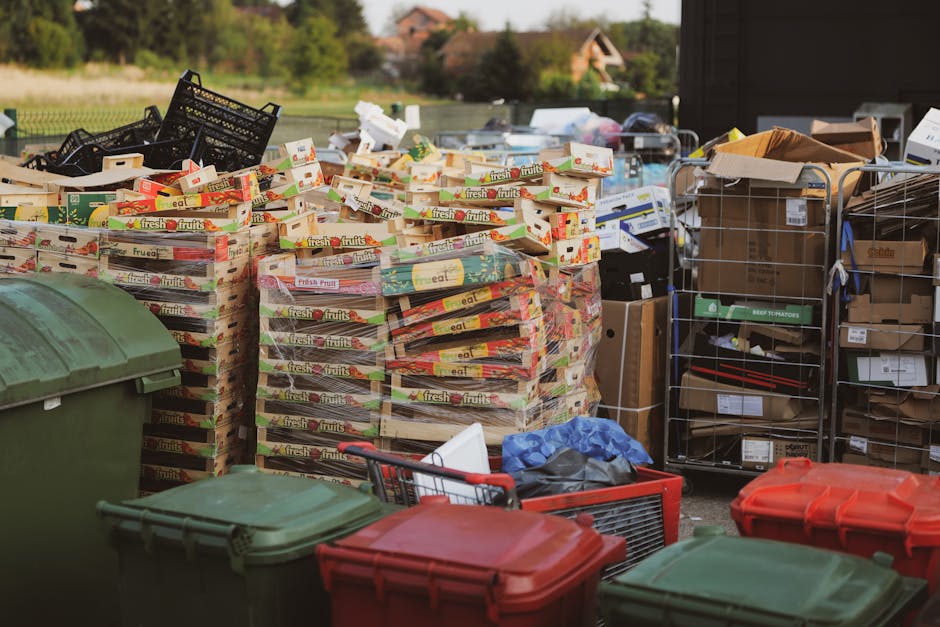
Commercial waste often appears in manageable amounts rather than all at once: packaging, broken office furniture, display materials, old stock, paper waste and mixed rubbish from routine maintenance all need a reliable route out of the building. Our approach is to collect waste in a way that suits how your site operates, rather than forcing everything into one rigid pattern. That can mean planned collections for regular waste streams or a one-off clearance when items have accumulated beyond what your normal bins can handle.
Useful business waste usually falls into a few recurring groups. These include cardboard and packaging from deliveries, surplus retail materials, old equipment, defunct furniture and general rubbish from refurbishments or stock changes. The right service depends on what is being removed, how accessible it is and whether any items need separating before transport. A well-organised removal helps reduce clutter in back rooms, loading areas and storage spaces without interrupting everyday work for longer than necessary.
The pages for pricing and quotes and about us can help when you are checking how the service is structured and what information is useful before arranging collection. If you are ready to move on, you can ask for a quotation in plain language and keep the process focused on the items that actually need taking away.
Office clearance and workplace items
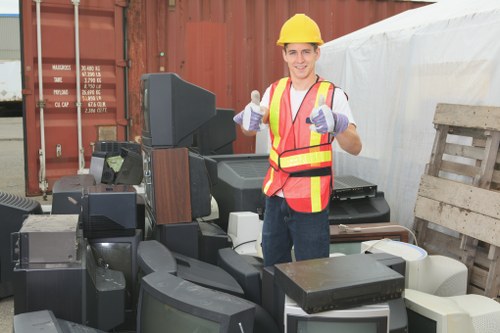
Office spaces often need more than a standard rubbish pickup. Desks, chairs, filing units, screens, cupboards, archive materials and mixed office waste can all appear together, especially during reorganisations, moves or periodic decluttering. An organised office clearance makes it easier to remove these items without turning the whole workplace upside down. The service can be planned around what needs taking, what needs separating and what should stay in place for ongoing use.
Some office clearances are mainly about bulky furniture; others are about older paperwork storage, redundant computer furniture or mixed contents from rooms that are being repurposed. The confidential shredding page is useful where sensitive paperwork needs handling as part of a broader clearance, while the furniture clearance page covers larger household-style and workplace items that do not belong in ordinary bins. This allows the service to stay focused on the exact type of load rather than treating every workplace as the same.
For many customers, a simple plan works best: identify the items to be removed, decide whether anything needs to be kept separate and then request collection. Photographs and a short description are often enough to help define the load, especially when mixed items are involved. That keeps the enquiry efficient without adding unnecessary back-and-forth.
Bulky items, furniture and appliance disposal
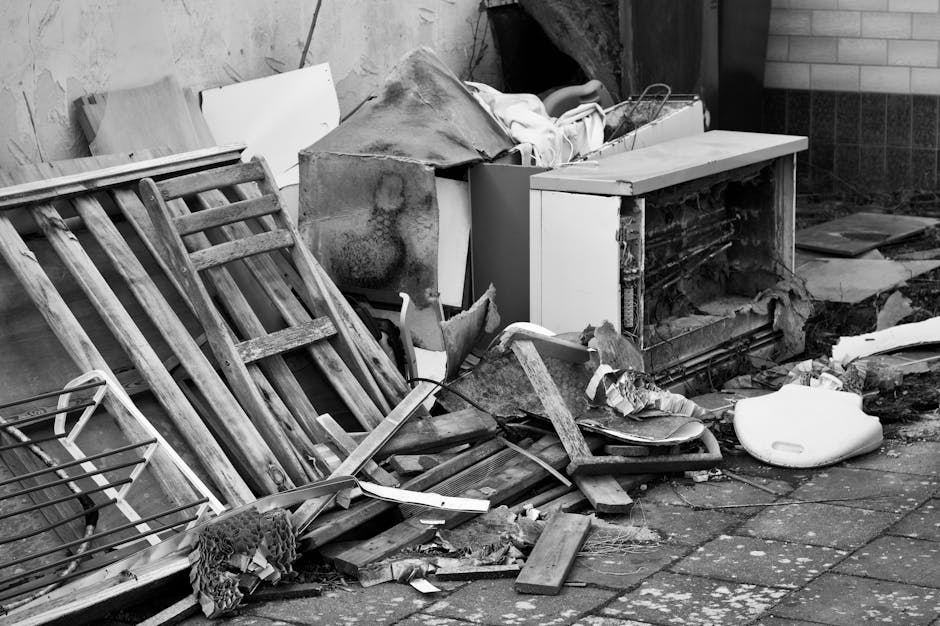
Many commercial premises eventually need to dispose of items that are too large for standard waste containers. Office chairs, reception furniture, shelving, cupboards, fridges, freezers and other appliances all require a sensible removal plan. The practical question is usually not whether they can be moved, but how to remove them with minimal disturbance and without leaving the site untidy. That is where structured collection matters more than a quick clear-out.
The pages for fridge and appliance removal, mattress and sofa disposal and furniture disposal give a clearer picture of how individual bulky categories are handled. These pages are useful when the waste is not just mixed rubbish but a defined item type with its own handling needs. They also help when a business is replacing equipment or removing old furnishings as part of a refresh rather than a full clearance.
Where several item types are involved, it can be sensible to group them into one collection rather than booking multiple removals. Mixed bulky waste is often more efficient when the items are listed together clearly, especially if access is straightforward and the main aim is to clear space quickly and tidily. If you are unsure how to categorise the load, a brief enquiry with the item list is usually enough to start.
Waste from stores, workshops and customer-facing premises
Commercial waste is not limited to offices. Shops, salons, cafés, workshops and other customer-facing premises often generate a mix of packaging, packaging film, display fixtures, broken items, small fittings and general rubbish. The key is to remove what is no longer useful without getting in the way of trading, staff movement or customers. A good collection service should feel orderly rather than disruptive, with the focus on the waste stream that needs clearing rather than on unnecessary extras.
Some premises need occasional clearance after refurbishments, seasonal changes or stock turnover. Others need a more regular pattern because back-of-house areas and storage rooms fill up quickly. The service can be shaped around these practical differences. When items are reusable, recyclable or unsuitable for ordinary waste containers, separating them in advance can make the removal process simpler and can help ensure the right route is used for each material.
If you want to compare broader services, the home clearance page and the flat clearance page show how mixed items are handled in other settings, while the commercial pages stay centred on business use. For a business setting, the most useful next step is to match the service to the waste type rather than assuming one general collection will suit every job.
Hazard-aware removals and special waste considerations
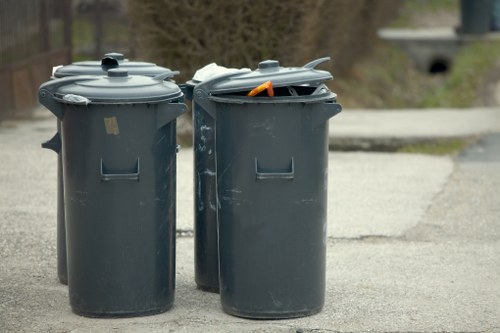
Not all waste can be treated in the same way. Some materials need extra care because they may be sharp, heavy, awkward or governed by different disposal rules. Where a load includes potentially hazardous or specialist items, the collection needs to be planned conservatively and the boundaries of the job made clear from the outset. That is especially important when items are mixed together, because a simple-looking clearance can contain things that should not be left to chance.
The page for hazardous waste disposal is the relevant starting point where specialist handling is needed, while the health and safety policy and insurance and safety pages help explain how safety-conscious work is approached more generally. These pages are useful when you are checking the boundaries of the service and the kind of information that should be provided before work is booked.
In practice, the best way to keep the process straightforward is to identify anything unusual at the start: sealed containers, chemical residues, damaged sharp items, large appliances or waste that has been kept apart for a reason. This is where a short written summary can be more useful than a long explanation. It helps the collection be planned on accurate terms and avoids assumptions about what can be taken together.
Preparing a clear and accurate quotation
Commercial waste pricing usually depends on the type of material, how much of it there is, whether the load contains bulky items, how easy it is to access and whether any specialist handling is needed. A straightforward quote is easier to give when the waste is described in practical terms rather than in broad labels. For example, saying “old desks and office rubbish†is more helpful than saying “a bit of everythingâ€, because the second phrase leaves too much open to guesswork.
The pricing and quotes page gives a useful overview when you are checking what information is normally needed. If you already know the approximate volume, item types and access details, that is often enough to start. One concise message with the essentials can be better than several partial updates. If more detail is needed, it can be added once the basic shape of the job has been set out clearly.
For business customers, a good quotation request usually includes the waste type, where it is located, whether there are stairs or narrow access points and whether there are items that must be handled separately. If you are preparing to clear a room or stock area, it also helps to decide what should remain on site. That keeps the collection focused and helps avoid unnecessary removal.
Recycling, sorting and responsible disposal
Responsible commercial waste management is about more than taking things away. It also involves sorting different materials sensibly so that recyclable items are separated where possible and the remaining waste follows the proper disposal route. That is especially relevant for businesses with regular packaging waste, mixed office items or old furniture, because these loads often contain several materials at once.
The recycling and sustainability page explains the broader approach to material handling, while the service itself remains focused on the practical side of collection and removal. Where items can be broken down or separated before transport, that can make the process neater and more orderly. It also helps if cardboard, metals, timber, plastics and general rubbish are not all bundled together without thought.
This section matters because customers often want a waste solution that is both workable and responsible. The aim is not to overstate what can be recycled, but to treat each load carefully and avoid unnecessary disposal where other routes are suitable. That means your collection is handled as a managed process rather than a simple drop-off of mixed items.
How to plan collections around access and timing
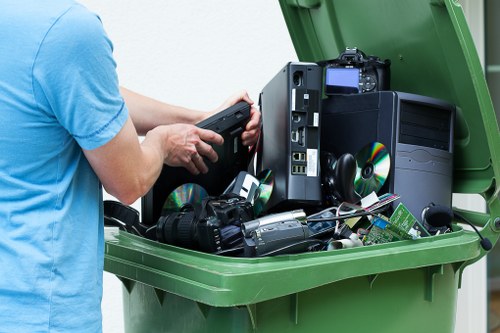
Access is often the practical factor that makes a waste collection easy or awkward. Ground-floor loading, rear entrances, shared corridors, lifts, stairwells and narrow internal routes all affect how the work should be arranged. If access is simple, a collection can often be completed with less interruption. If access is awkward, it becomes more important to define the job accurately before collection day so the removal can be organised in the right order.
A useful enquiry normally covers when the waste can be reached, whether parking or loading space is available and whether items need to be moved from several rooms. These details do not need a long explanation, but they do help shape the collection. When a site has limited space or shared access, it can be sensible to group items in one accessible area before the team arrives. That makes the removal cleaner and keeps the job moving efficiently.
The book online page may suit customers who prefer a direct route once the main details are known. If you would rather talk the job through first, a simple description of the waste and access is enough to begin. Either way, the goal is the same: a clear plan, a sensible quotation and a collection that fits the premises.
About Reading
Reading is a large town in Berkshire, set where the River Kennet meets the Thames in the wider Thames Valley. Its history reaches back to the Anglo-Saxon period, and the name is commonly associated with the people of the Reada. Reading Abbey, founded in 1121 by Henry I, became one of the most important religious houses in medieval England before its dissolution in the 16th century. Today the abbey ruins remain a notable historic landmark close to the town centre, linking modern Reading with its long monastic and civic past. The town expanded strongly in the Victorian era, helped by its position on the Great Western Railway and by growing industries such as brewing, seed production and printing. That commercial heritage is still visible in the street pattern and in the mixture of older buildings with later redevelopment. The centre of Reading combines shopping streets, civic buildings and riverside areas, while the wider town includes residential districts, business parks and places of education such as the University of Reading. The Oracle and Broad Street Mall form part of the commercial core, while Forbury Gardens offers a formal public green space near the abbey remains. The River Thames and the Kennet and Avon Canal shape parts of the town’s landscape, with waterside routes, bridges and towpaths creating clear connections across the area. Reading Festival, held on Richfield Avenue, is one of the best-known annual cultural events in the town and has helped define its modern identity alongside theatre, music and sport. As a place, Reading combines transport links, historic depth and active urban change, giving it the character of a regional centre with layers of old and new woven together.
Office moves, house-style clearances and mixed loads
Although the main focus here is commercial waste, many jobs involve mixed contents rather than a single neat category. A business might need office furniture removed alongside old storage items, or a premises may have accumulated a blend of stock, fixtures and general rubbish over time. In those cases, the right plan is to treat the collection as a defined load with specific contents, not as a vague clear-out. That produces a more accurate quotation and a cleaner outcome.
The related pages for loft clearance, garage clearance and house clearance show other ways mixed items can be approached when a space contains varied contents. For commercial customers, the same principle applies: define what is staying, what is leaving and whether any items need a separate category of handling. That distinction saves time and helps prevent avoidable confusion when a job contains multiple types of waste.
If your load includes ordinary rubbish plus bulky objects, keep the description balanced and specific. A short inventory, a few photographs and a note about access can be enough to turn a rough enquiry into a practical collection plan. From there, you can ask for a quotation and decide on the most suitable service for the premises.
Choosing the right commercial waste service
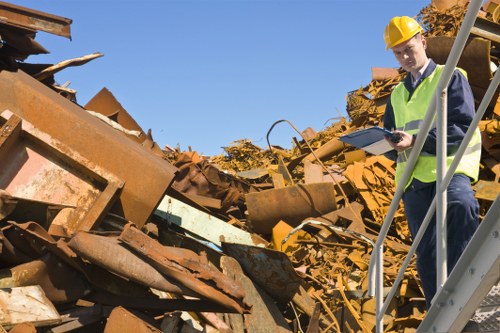
Choosing the right waste service is mainly about matching the job to the waste type. A shop refurbishment, an office tidy-up and a workshop clearance all create different mixtures of material, even when the overall aim is simply to remove unwanted items. The more clearly the waste is described, the easier it is to select the right collection approach and avoid paying for a service that is larger or broader than necessary. That is why commercial customers usually benefit from a focused conversation about the contents first.
Some businesses only need a single removal, while others want support at intervals because waste gathers steadily through trading. Both approaches can be handled sensibly if the site details and waste types are clear. The pages for waste removal, business waste removal and office clearance can help you compare the core options before you decide how to proceed. Where a quotation is needed, it should be based on the actual load rather than a guess.
If you are ready to move forward, send a brief description of the waste and access and ask for a quotation. That is usually the simplest way to begin, and it keeps the next step focused on the job itself. For business waste in Reading, a clear request is the best starting point.